
Weight Loss Progress: How Medications, Lifestyle, and Mindset Shape Real Results
When you're trying to lose weight, weight loss progress isn't just about the scale dropping—it's about how your body responds to what you're doing, and whether your brain believes it's working. Many people hit walls not because they're not trying, but because their meds, their expectations, or their storage habits are quietly working against them. This isn't magic. It's biology, psychology, and sometimes, simple mistakes in how you track what's happening.
Take medication side effects, unintended physical or mental reactions to drugs that can mimic or block weight loss. Some common prescriptions—like certain antidepressants or steroids—can cause weight gain or make it nearly impossible to lose fat, even with perfect diet and exercise. Others, like GLP-1 agonists, help you lose weight by reducing appetite. But here’s the catch: if you switch from a brand-name drug to a generic drugs, medications with the same active ingredient as brand-name versions but different fillers or coatings, your body might react differently. Not because it’s less effective, but because of inactive ingredients. That’s why keeping a medication journal, a daily log tracking what you take, when, and how you feel physically or emotionally matters. You might notice your hunger spikes or fatigue worsens after a generic switch, even if your doctor says it’s "the same pill."
Then there’s the nocebo effect, when expecting side effects causes you to feel them—even if the pill is inert. If you’ve heard stories about weight gain from a certain drug, your brain might start convincing your body it’s happening, even if the drug isn’t the cause. That’s not in your head—it’s real, measurable physiology. And if you’re constantly stressed about whether your meds are working, your cortisol levels rise, making fat loss harder. This is why tracking progress isn’t just about numbers. It’s about noticing how your clothes fit, your energy levels, your sleep, your mood. One person might lose two pounds a week and feel great. Another might lose half a pound but sleep better, feel less bloated, and have more stamina. That’s progress too.
And let’s not forget how you store your meds. Heat and humidity can weaken pills over time, especially if they’re kept in a bathroom cabinet. If your weight loss meds aren’t working as well as they should, it might not be your fault—it could be your medicine cabinet. Same goes for supplements. A cheap, poorly stored vitamin D or magnesium might not be doing anything for your metabolism, and you wouldn’t even know.
What you’ll find below are real stories and facts from people who’ve been through this—how they tracked their changes, what meds made a difference, what didn’t, and why some thought they were failing when they were actually moving forward. No fluff. No gimmicks. Just what works when you’re trying to lose weight while managing health, meds, and life.
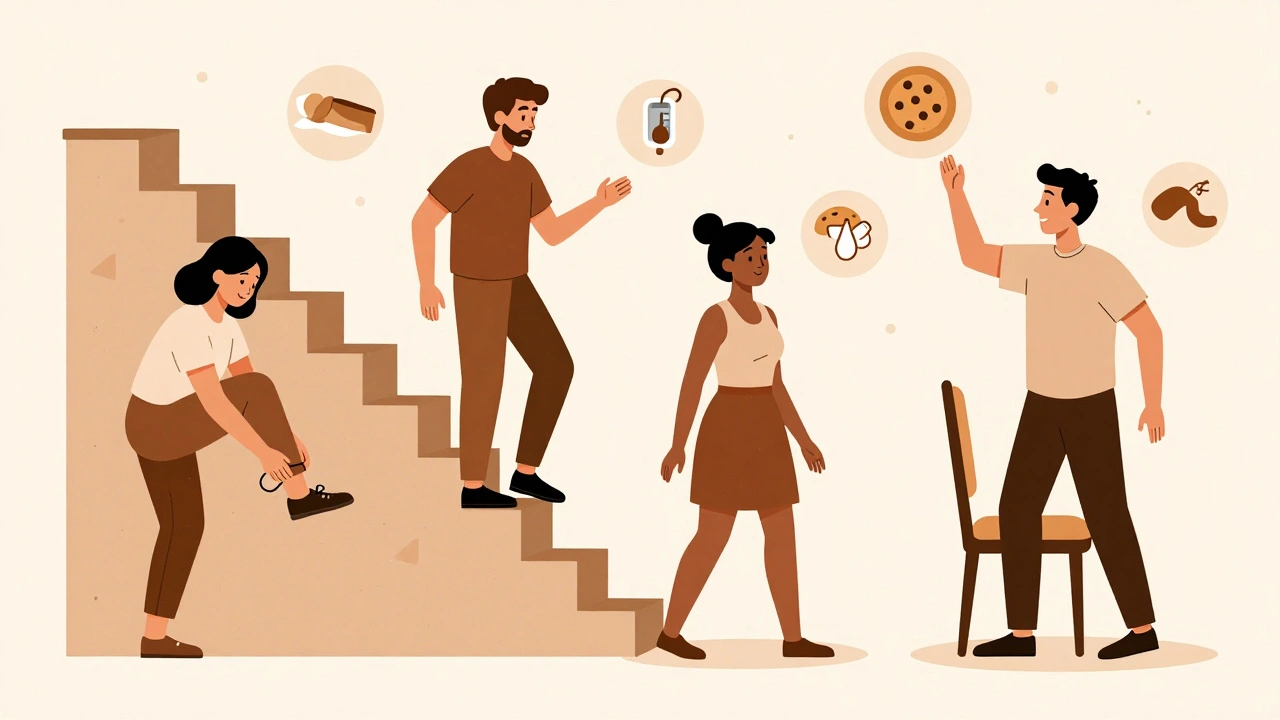
Non-Scale Victories: How to Track Real Progress Without Weighing Yourself
Discover how non-scale victories-like better sleep, more energy, and improved lab results-are the true signs of health progress, even when the scale doesn't move. Stop chasing weight and start celebrating real change.