
Medication Adherence: Why Taking Pills as Prescribed Saves Lives
When you take your medicine exactly as your doctor ordered, you’re practicing medication adherence, the consistent and correct use of prescribed drugs according to the recommended schedule, dose, and duration. Also known as drug compliance, it’s not just a habit—it’s the foundation of effective treatment. Whether you’re on blood pressure pills, antibiotics, or insulin, skipping doses or stopping early doesn’t just reduce results—it can make your condition worse, lead to resistance, or even send you to the hospital.
Why do people miss doses? It’s not laziness. It’s confusion over pill schedules, fear of side effects, cost, or simply forgetting. The nocebo effect, when expectations of side effects cause real symptoms even with inert pills plays a bigger role than most realize. If you think a generic drug won’t work—or if your pill looks different from last month—you’re more likely to stop. That’s why patient trust, the confidence that your medication is safe and effective, regardless of brand or appearance matters as much as the science. And it’s not just about pills: inhaler technique, how you use devices like asthma inhalers to deliver medicine directly to your lungs is a form of adherence too. If you don’t inhale right, the drug never reaches where it needs to go.
Medication adherence affects everything—from how fast you recover to whether a drug stays effective for others. When people skip antibiotics, bacteria survive and grow stronger. When diabetics miss insulin, complications creep in. When statin users stop because they’re scared of liver tests, heart attacks become more likely. The good news? Small fixes work. Using a pill organizer, setting phone alarms, talking to your pharmacist about confusing labels, or asking for lower-cost alternatives all help. You don’t need to be perfect. You just need to be consistent.
Below, you’ll find real stories and science-backed tips from people who’ve been there. From how to keep a multilingual medication list for travel emergencies to why generic drugs look different but work the same, these posts cut through the noise. You’ll learn how to spot hidden interactions, protect your meds from heat and humidity, and understand why your doctor cares more about your pill-taking habits than you might think. This isn’t theory. It’s what keeps you alive and healthy—day after day.
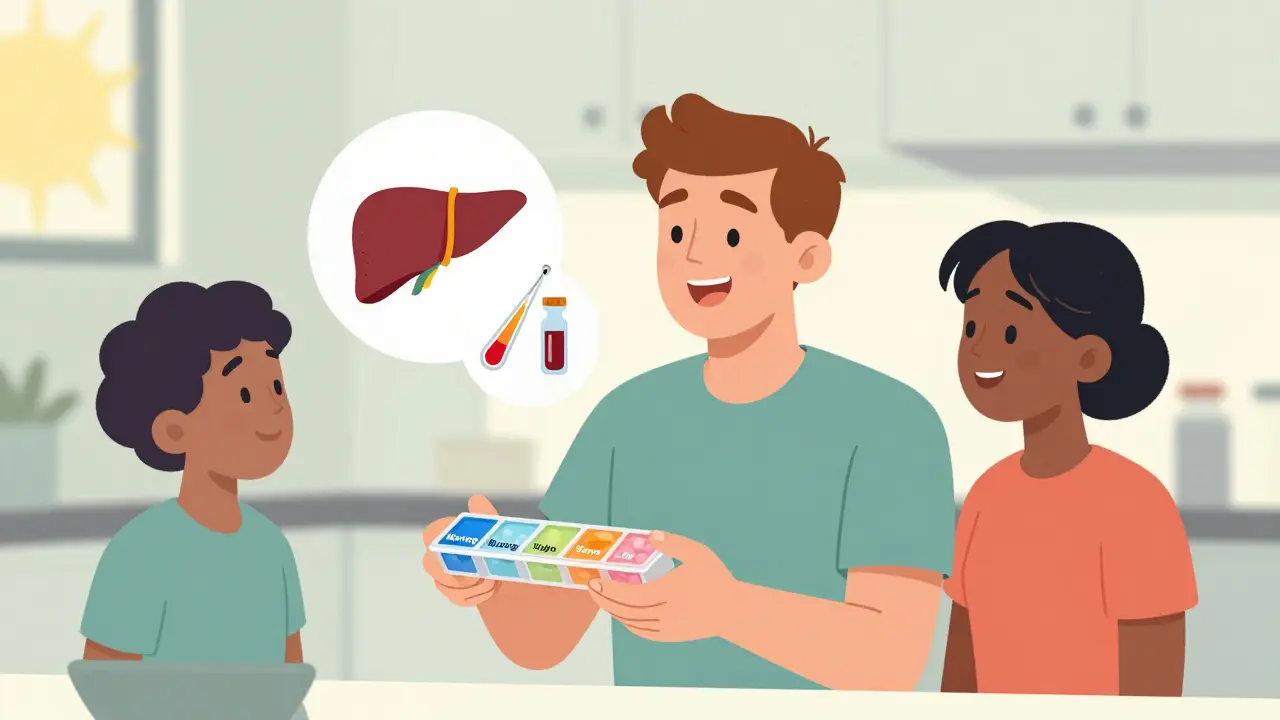
Post-Transplant Life: Recognizing Rejection Signs and Sticking to Your Medication Schedule
After a liver transplant, sticking to your medication schedule and recognizing early signs of rejection can mean the difference between long-term survival and graft failure. Learn the real risks, proven strategies, and what modern medicine now offers.
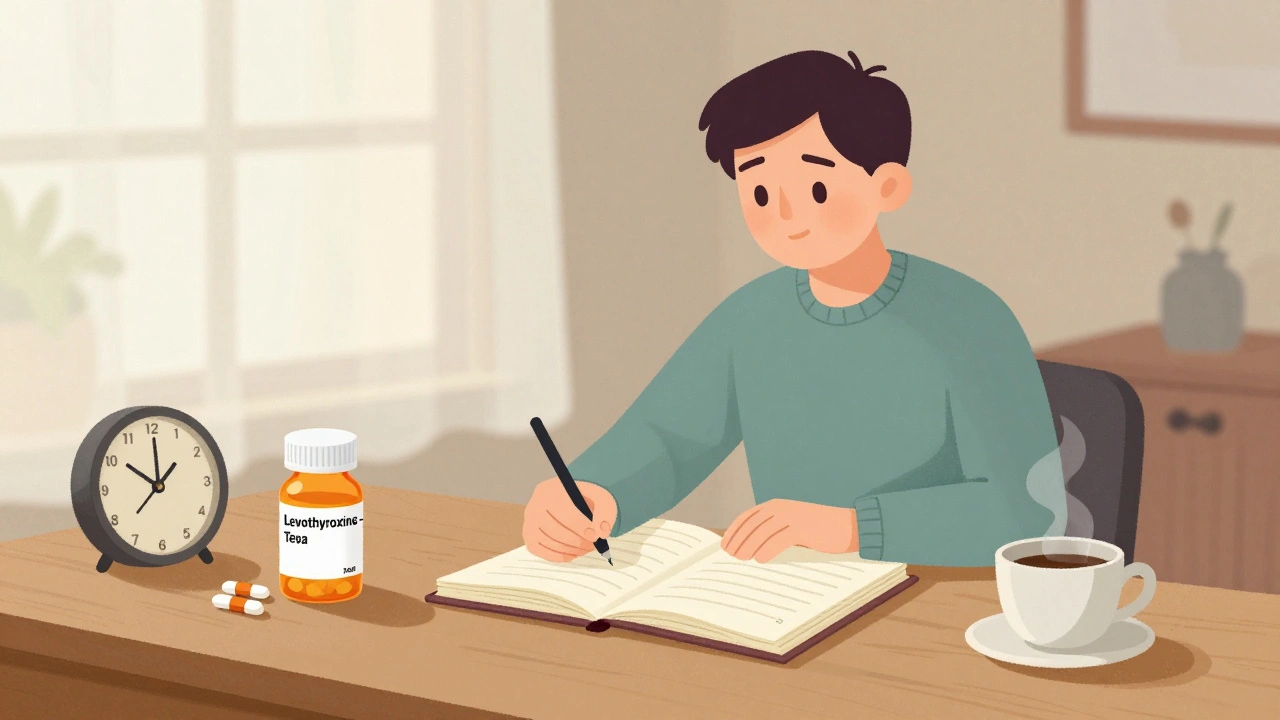
Keeping a Medication Journal: Tracking Your Response to Generic Medications
Track how your body responds to generic medications with a simple journal. Learn what to record, why it matters, and how to use your data to talk to your doctor and avoid hidden side effects.