
Statin Safety: What You Need to Know About Side Effects, Interactions, and Real Risks
When you take a statin, a class of drugs used to lower LDL cholesterol and reduce heart attack risk. Also known as HMG-CoA reductase inhibitors, they’re among the most prescribed medications in the world—but not everyone knows what’s really going on inside their body while taking them. Statins work by blocking a liver enzyme that makes cholesterol, but that same enzyme is involved in making other important compounds, like coenzyme Q10 and certain proteins your muscles need. That’s why side effects like muscle pain or weakness aren’t just random—they’re tied to how the drug works.
One of the biggest concerns with statin safety, the overall risk profile of cholesterol-lowering drugs like atorvastatin, rosuvastatin, and simvastatin is how they interact with other substances. Grapefruit juice, for example, can make some statins build up to toxic levels in your blood. That’s not a myth—it’s why your pharmacist asks if you eat grapefruit. Other drugs like certain antibiotics, such as clarithromycin and erythromycin, which can interfere with how statins are broken down also raise the risk of muscle damage. And while liver enzyme spikes are common on statins, they rarely mean real harm—unless they keep climbing. That’s why doctors order liver function tests, blood panels that measure ALT, AST, and bilirubin to check for unexpected stress on the liver before and after starting treatment.
Most people tolerate statins just fine. But if you’ve ever felt like your legs are heavier after starting one, or if you’ve been told your creatine kinase is high, you’re not imagining it. The key is knowing when to push back, when to switch, and when to just keep going. The real danger isn’t the statin itself—it’s the silence around side effects. Too many patients stop taking them because they heard "statins cause diabetes" or "they wreck your muscles," without knowing the actual odds. The truth? For someone with high cholesterol and heart risk, the benefits almost always outweigh the risks. But that only matters if you understand what those risks actually look like in real life—not in a brochure.
Below, you’ll find real-world guides on how to track your response to medications, spot hidden interactions, understand what lab results mean, and talk to your doctor without feeling dismissed. These aren’t theoretical discussions—they’re tools people actually use to stay safe while taking statins and other long-term meds.
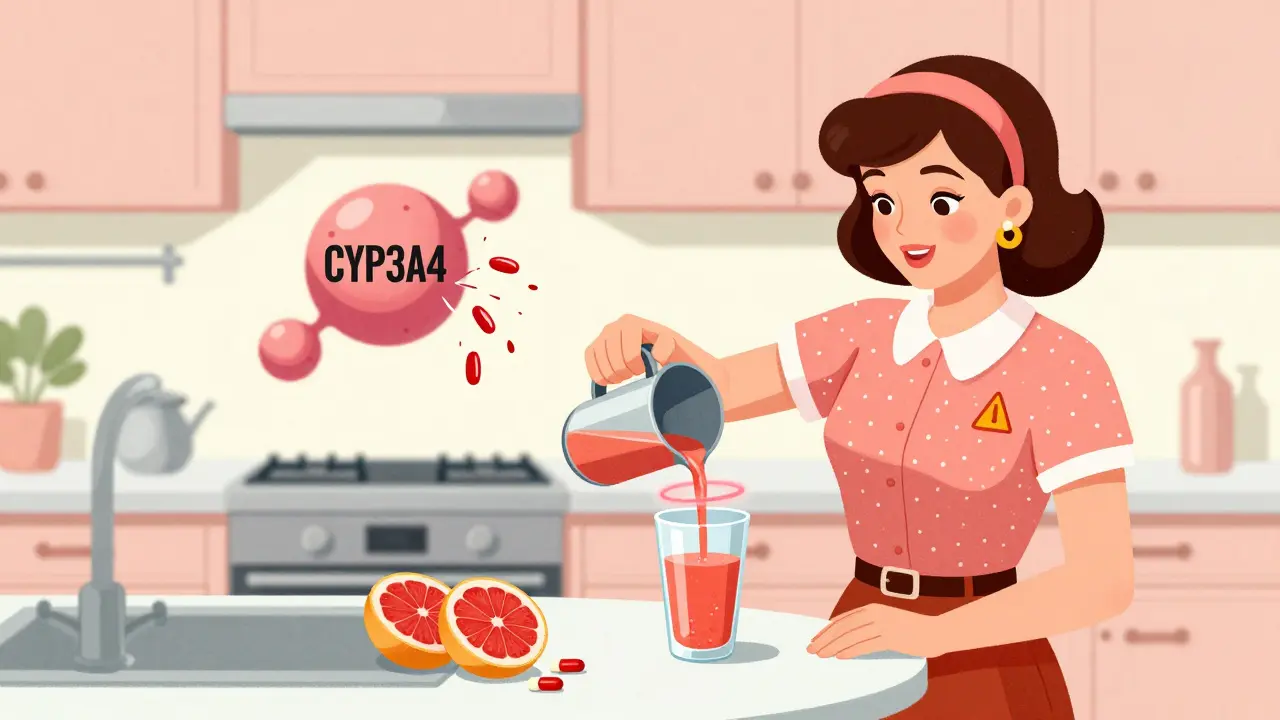
Grapefruit and Statins: What You Need to Know About the Dangerous Interaction
Grapefruit can dangerously increase statin levels in your blood, raising the risk of muscle damage and kidney failure. Learn which statins are risky, what symptoms to watch for, and how to stay safe without giving up your cholesterol medication.
Monitoring While on Statins: What Lab Tests You Really Need and When
Learn what statin lab tests you actually need - and which ones are unnecessary. Get clear, evidence-based guidance on liver checks, muscle pain, diabetes risk, and when to stop or keep taking your statin.