
Generic Drugs: What They Are, Why They Work, and How to Save Money
When you hear generic drugs, medications that contain the same active ingredients as brand-name drugs but are sold under their chemical name. Also known as generic medication, they are approved by the FDA to work exactly like the original—same strength, same dosage, same safety profile. Yet many people still worry they’re getting something less. That’s not true. A 2018 study from the FDA reviewed over 500 generic drugs and found no meaningful difference in effectiveness compared to brand names. If your doctor prescribes a generic, it’s because it’s just as good—and often way cheaper.
What makes a drug "generic" isn’t the quality—it’s the timing. Once a brand-name drug’s patent expires, other companies can make the same medicine without paying for the original research. That’s why a 30-day supply of generic lisinopril might cost $4 while the brand version, Zestril, runs over $100. The pill looks different? That’s just the inactive ingredients—fillers, dyes, coatings. They don’t change how the drug works in your body. The active ingredient? Identical. The FDA requires generics to be bioequivalent, meaning they get into your bloodstream the same way and at the same rate.
Some people confuse generics with counterfeit drugs. That’s a big difference. Counterfeit pills are fake—made in unregulated labs, sometimes with no active ingredient or worse, dangerous chemicals. Generic drugs? They’re made in the same kind of facilities as brand-name pills, under the same strict rules. The FDA inspects these factories just like they do for Pfizer or Merck. You can even check the FDA’s website to see if your pharmacy is approved to sell generics. If you’re buying online, look for verified pharmacy seals. Don’t fall for websites selling "discounted" versions of drugs that don’t even exist in the U.S. market.
Generic drugs aren’t just for cholesterol or blood pressure. They’re used for everything from antibiotics to antidepressants to insulin. In fact, nearly 9 in 10 prescriptions in the U.S. are filled with generics. That’s not because doctors are cutting corners—it’s because they know patients need affordable options. If you’re paying out of pocket, switching to a generic could save you hundreds, even thousands, a year. And if you’re on Medicare or Medicaid, you’re already being steered toward generics because the system knows they work.
Still unsure? Ask your pharmacist. They can tell you which brand-name drugs have generic versions, how much you’ll save, and whether your insurance covers the generic. No judgment. No pressure. Just facts. And if your doctor insists on the brand name, ask why. Sometimes it’s because of a specific formulation—like a time-release version—or a rare allergy to an inactive ingredient. But most of the time, it’s just habit. You deserve to know your options.
Below, you’ll find real guides from people who’ve been there: how to buy generic Premarin safely, why generic Motrin works just like ibuprofen, how to spot a legit online pharmacy for generic Zoloft, and why Fildena XXX is just sildenafil in a different bottle. These aren’t marketing posts. They’re practical, no-fluff breakdowns from real patients and pharmacists who’ve seen the confusion—and the savings—firsthand.
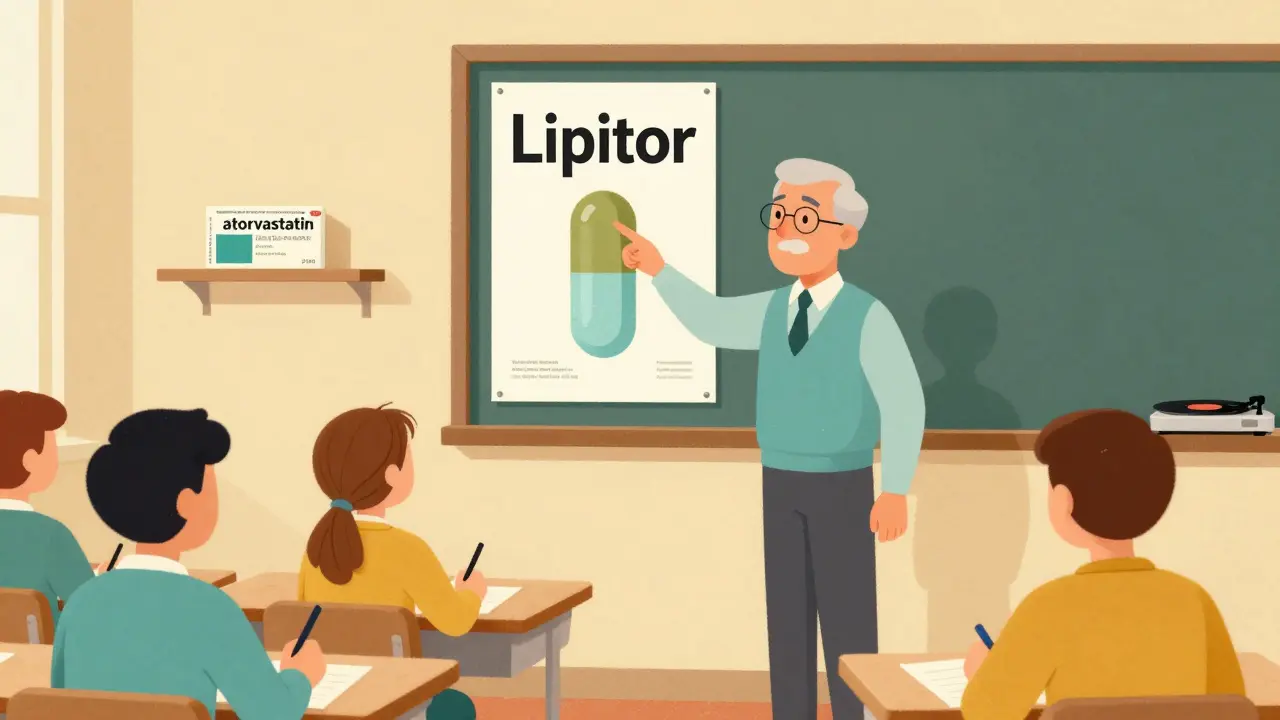
Medical Education on Generics: Do Doctors Learn Equivalence?
Despite generics making up 90% of prescriptions, many doctors lack training on bioequivalence. Learn why medical education still falls short-and what’s needed to close the gap.
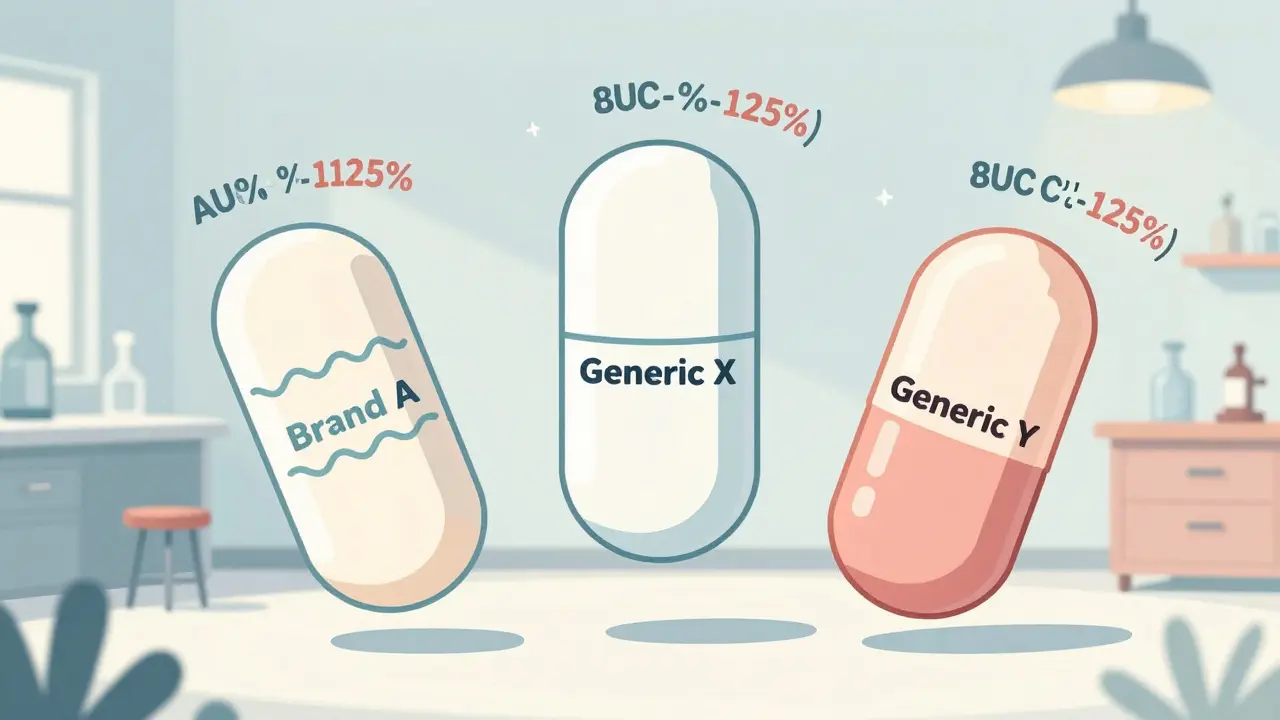
Batch Variability and Bioequivalence: What Acceptable Limits Really Mean for Generic Drugs
Explains how batch variability affects generic drug approval, why current bioequivalence limits may be flawed, and how new methods like Between-Batch Bioequivalence are improving safety and accuracy.
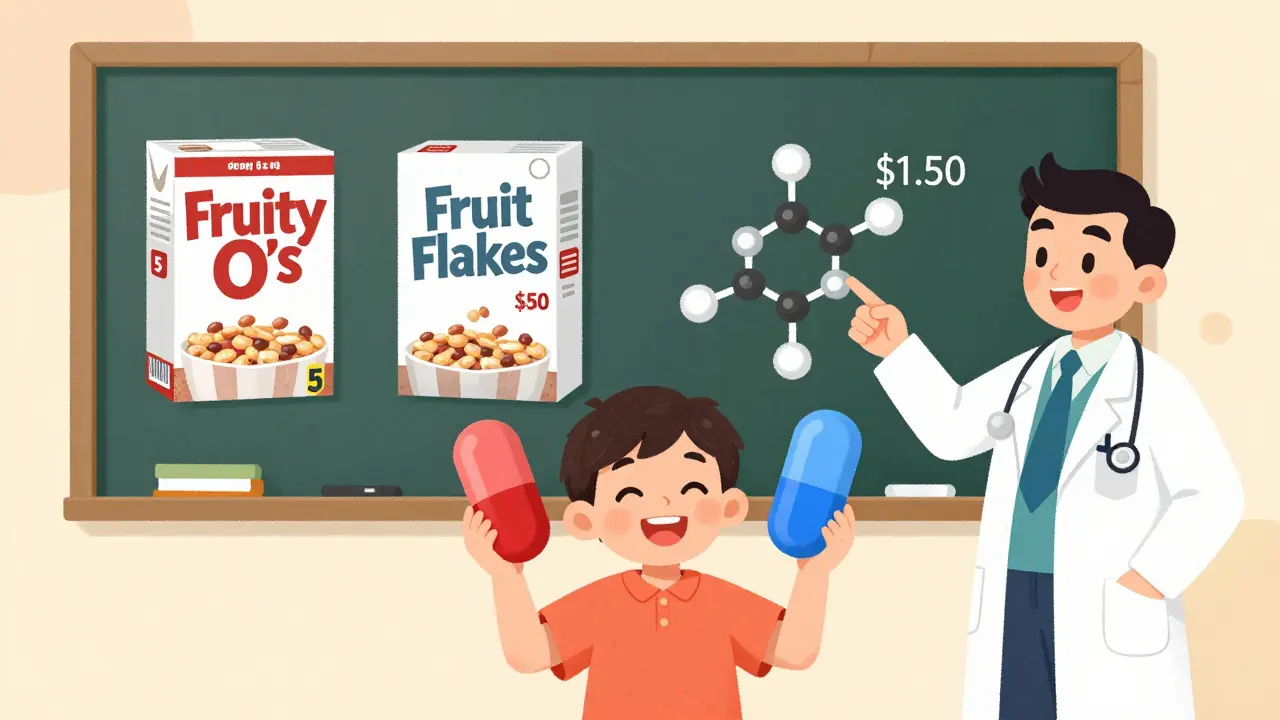
Teaching Children About Generic Drugs: A Simple Guide for Parents and Educators
Teach children how generic drugs work, why they're safe, and how to recognize them. Simple, science-backed tips for parents and educators to build medicine confidence in kids.
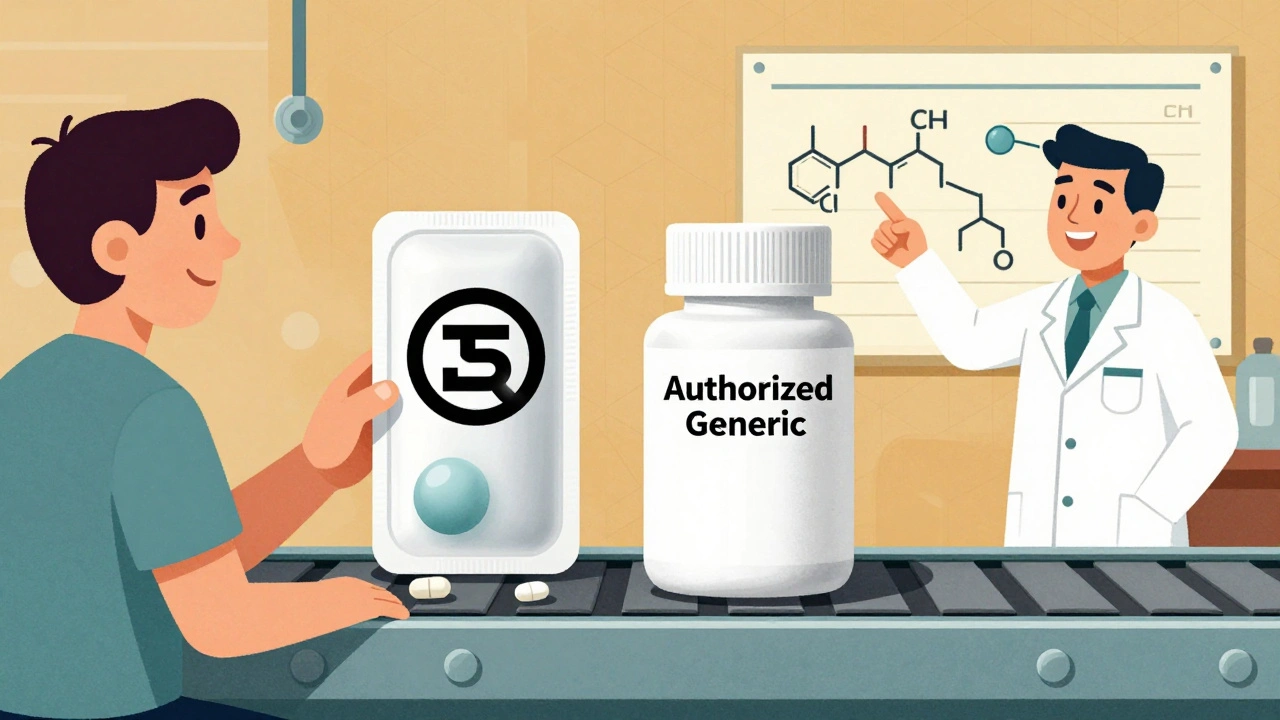
Authorized Generics: A Smarter Switch When Moving Away From Brand Name Drugs
Authorized generics offer the exact same medication as brand-name drugs at lower prices, with no changes to ingredients or effectiveness. Ideal for patients sensitive to generic fillers, they provide a safer, more consistent switch than traditional generics.
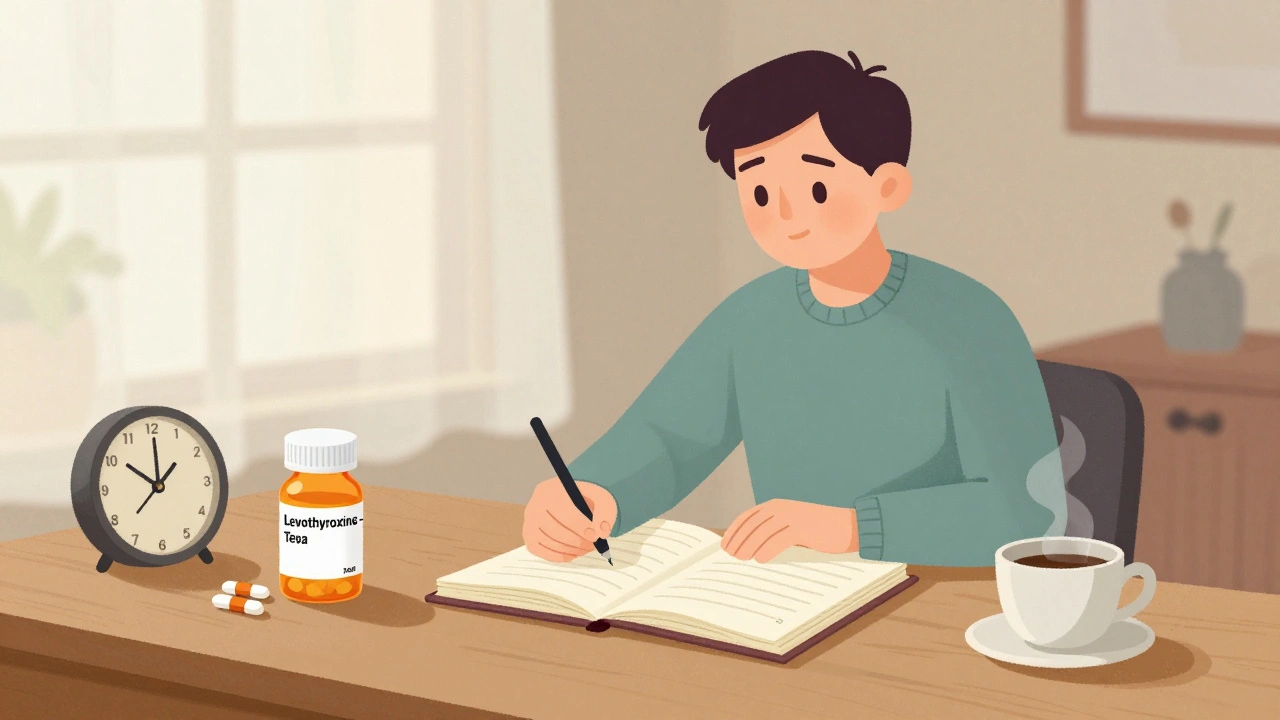
Keeping a Medication Journal: Tracking Your Response to Generic Medications
Track how your body responds to generic medications with a simple journal. Learn what to record, why it matters, and how to use your data to talk to your doctor and avoid hidden side effects.
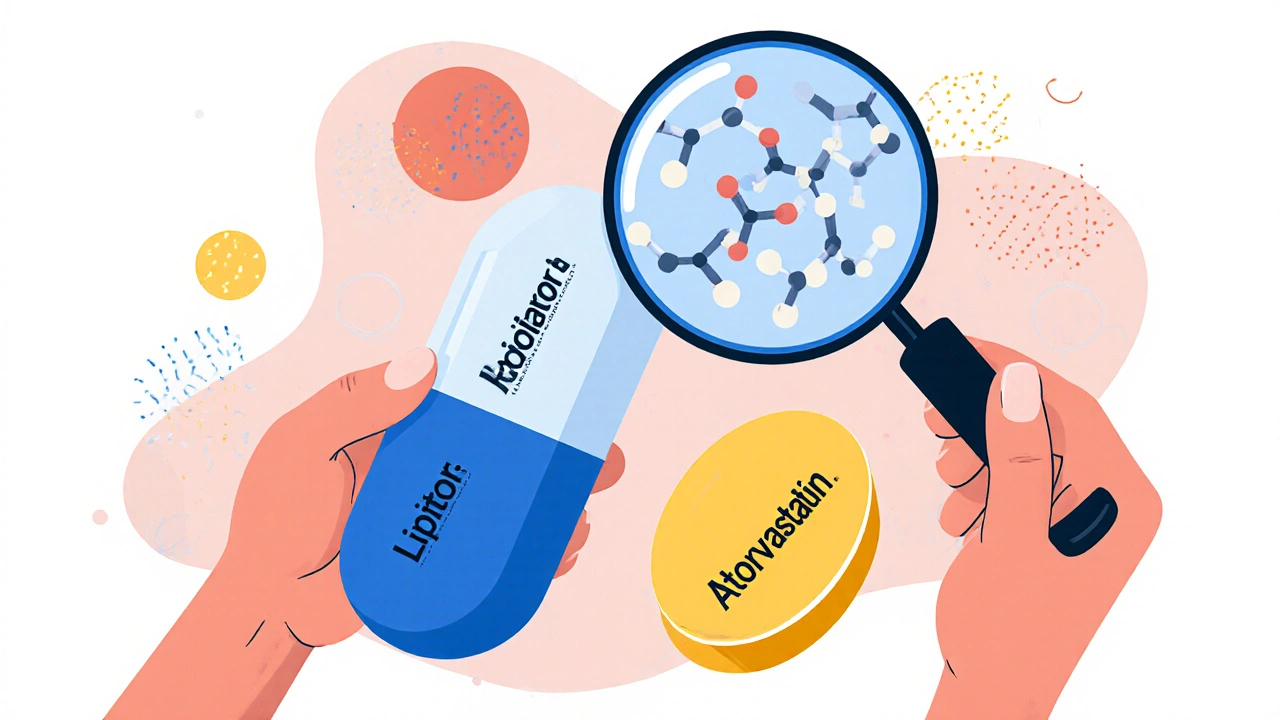
Why Generic Drugs Look Different from Brand-Name Medicines
Generic drugs look different from brand-name pills because of U.S. trademark laws - not because they're less effective. Learn why the color and shape change, how it affects safety, and what to do if you're confused by your new prescription.
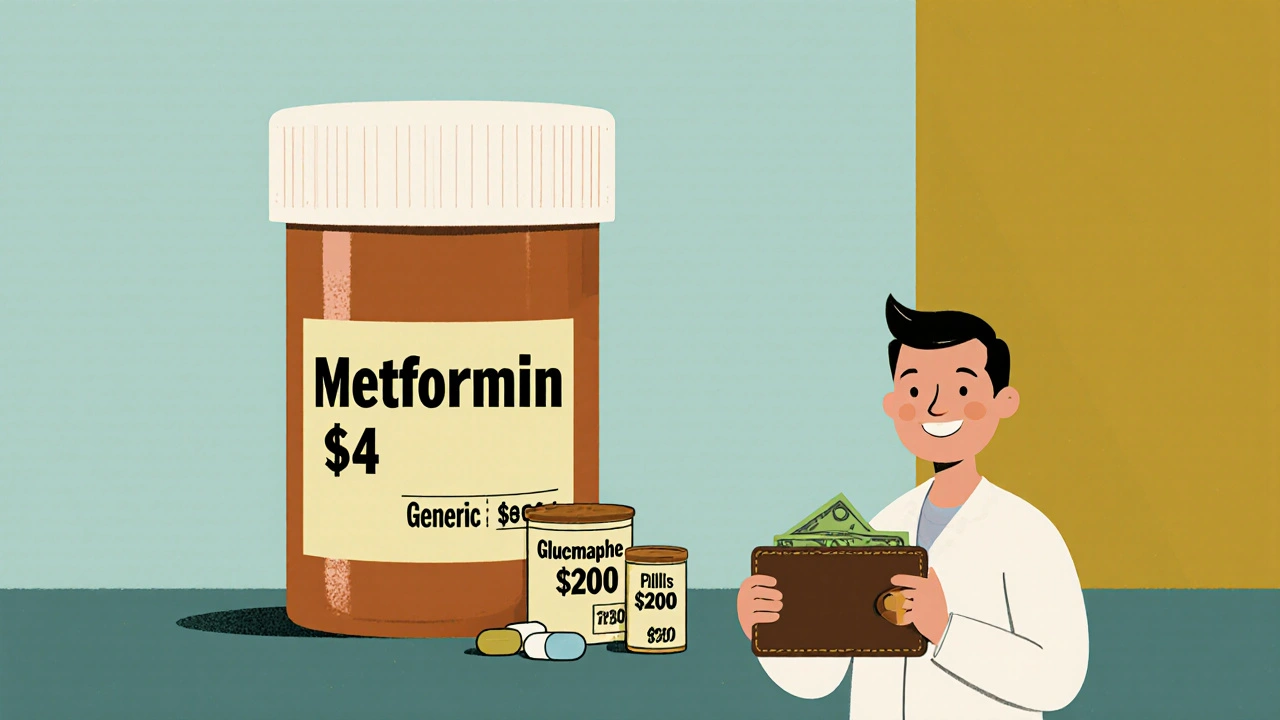
How Generics Control Healthcare Drug Spending: The Real Cost Savings
Generics make up 90% of U.S. prescriptions but only 12% of drug spending, saving $445 billion since 1984. Learn how they cut costs, why they’re safe, and what’s blocking even bigger savings.